Bartholomew (Nathanael) – The Israelite Without Guile
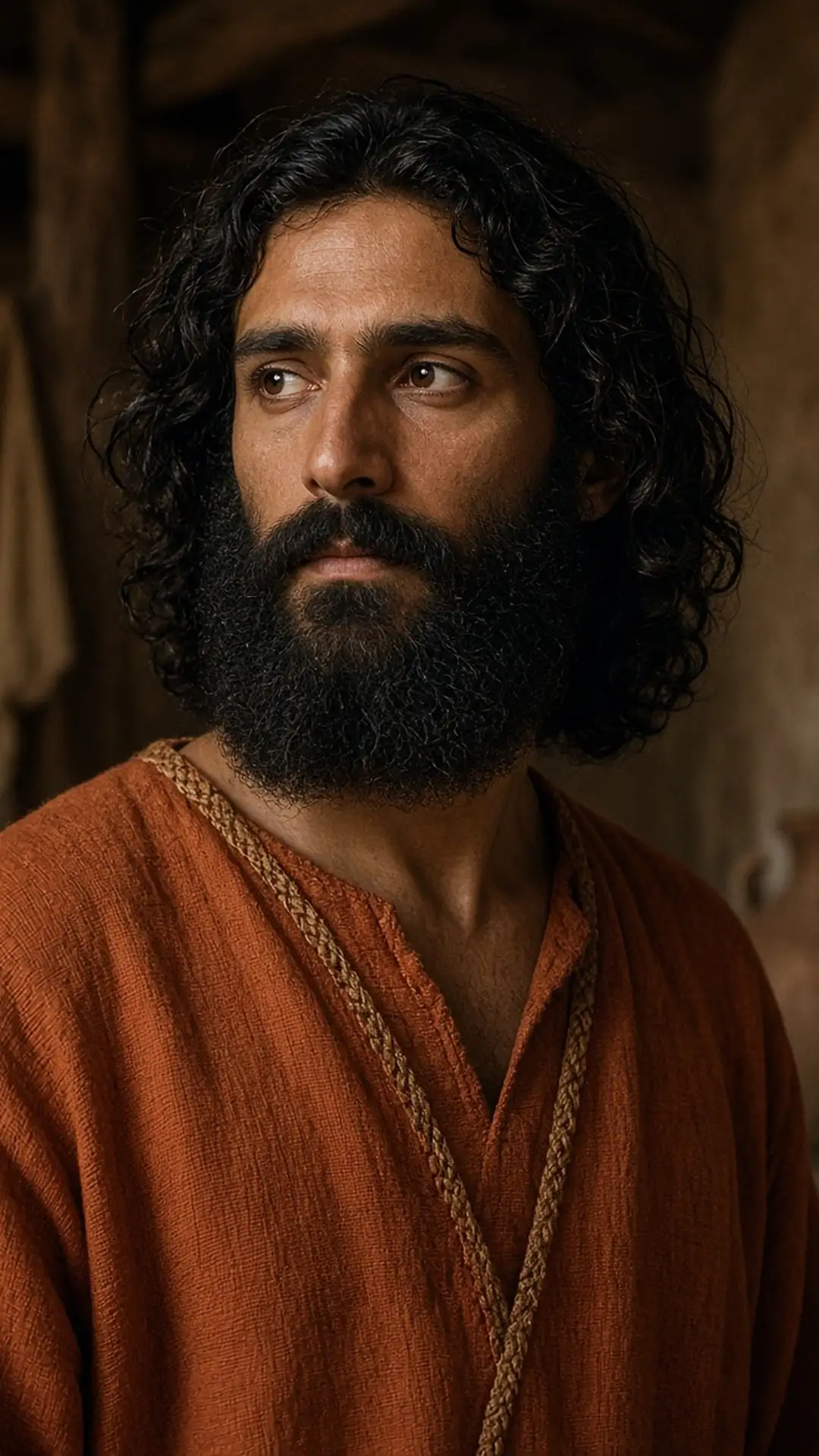
Key Moments in Bartholomew’s Life
“Come and see” – Philip brings him (John 1:45–51)
“An Israelite indeed, in whom is no guile” (John 1:47)
Jesus saw him under it (John 1:48–50)
“Rabbi, thou art the Son of God” (John 1:49)
Present at the Sea of Galilee (John 21:2)
Preached in India & Armenia – martyred in Albanopolis
The Call – Philip’s Invitation
Bartholomew is almost certainly the same person as Nathanael in the Gospel of John. The name Bartholomew means “son of Tolmai” and appears only in the lists of the twelve apostles (Matthew 10:3; Mark 3:18; Luke 6:14; Acts 1:13). In John’s Gospel, Nathanael is introduced by Philip and is never called Bartholomew — leading most scholars to conclude they are the same man.
Philip found Nathanael and told him: “We have found him, of whom Moses in the law, and the prophets, did write, Jesus of Nazareth, the son of Joseph.” Nathanael was skeptical: “Can there any good thing come out of Nazareth?” Philip’s simple reply: “Come and see.” (John 1:45–46).
That invitation — “Come and see” — is one of the most repeated phrases in early Christian evangelism. Philip didn’t argue; he invited. Nathanael went, and his encounter with Jesus changed everything.
“An Israelite Indeed” – Jesus’ First Words
As Nathanael approached, Jesus said: “Behold an Israelite indeed, in whom is no guile!” (John 1:47). Nathanael was surprised: “Whence knowest thou me?” Jesus answered: “Before that Philip called thee, when thou wast under the fig tree, I saw thee.” (John 1:47–48).
The fig tree was likely Nathanael’s place of private prayer and meditation. Jesus’ supernatural knowledge of this intimate moment convinced Nathanael instantly. The words “no guile” (no deceit) describe a man of transparent sincerity — a rare quality Jesus publicly affirmed.
“Jesus saw Nathanael coming to him, and saith of him, Behold an Israelite indeed, in whom is no guile!” — John 1:47 (AKJV)
The Great Confession – “Rabbi, thou art the Son of God”
Overwhelmed by Jesus’ knowledge, Nathanael declared: “Rabbi, thou art the Son of God; thou art the King of Israel.” (John 1:49). This is one of the earliest and clearest confessions of Jesus’ divine identity in the Gospels.
Jesus responded with a promise: “Because I said unto thee, I saw thee under the fig tree, believest thou? thou shalt see greater things than these… Verily, verily, I say unto you, Hereafter ye shall see heaven open, and the angels of God ascending and descending upon the Son of man.” (John 1:50–51). This reference to Jacob’s ladder (Genesis 28:12) identifies Jesus as the new meeting place between heaven and earth.
Bartholomew in the Other Gospels
After his dramatic introduction in John 1, Bartholomew/Nathanael is only named in the apostle lists (Matthew 10:3; Mark 3:18; Luke 6:14; Acts 1:13). He was present at the Sea of Galilee after the resurrection (John 21:2).
His relative silence in the Synoptics contrasts with his prominent role in John. This may reflect his quieter personality — once convinced, he followed faithfully without needing to speak often.
Ministry & Later Life
Early church tradition says Bartholomew preached in India, Armenia, Mesopotamia, and Persia. He is often linked with missionary journeys in Asia Minor and the Caucasus region. The Armenian Church especially venerates him as one of its founders.
Tradition holds that he was martyred in Albanopolis (Armenia) around AD 68–70 — flayed alive and then beheaded or crucified. His relics are claimed to have been taken to Rome and later to Canterbury. Bartholomew’s missionary zeal reflects the promise Jesus gave him: Nathanael would see “greater things” — including the spread of the gospel to the nations.
Death & Legacy
Bartholomew (Nathanael) is traditionally believed to have been martyred by flaying and beheading in Armenia around AD 68–70. His death was a testimony to his unwavering faith in the One he first confessed as Son of God and King of Israel.
His legacy is that of purity and sincerity. Jesus described him as “an Israelite indeed, in whom is no guile” — a man without deceit. His quick confession “Rabbi, thou art the Son of God” stands as one of the earliest and purest declarations of Jesus’ identity. Bartholomew reminds us that God values a transparent heart and rewards honest seeking with divine revelation. His life encourages believers to be sincere, to bring others to Jesus, and to trust the One who sees us even under the fig tree.