Thaddaeus (Jude / Judas son of James) – The Apostle Who Asked “How Is It…?”
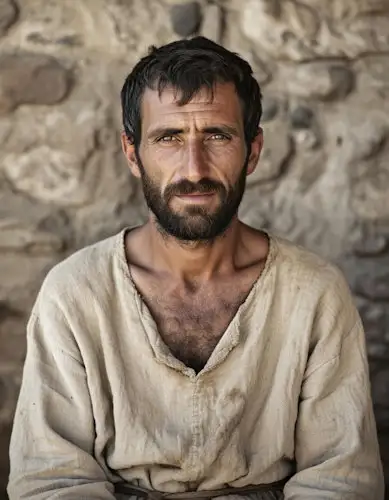
Key Moments in Thaddaeus’ Life
Chosen among the Twelve (Matt 10:3)
“Lord, how is it…?” (John 14:22)
Present after the ascension (Acts 1:13)
Preached in Mesopotamia, Persia, Armenia
Martyred in Persia or Beirut (~AD 65–72)
The Call – Chosen Among the Twelve
Thaddaeus appears in the lists of the twelve apostles under three different names: Thaddaeus (Matt 10:3; Mark 3:18), Lebbaeus (some manuscripts of Matthew), and Judas son of James (Luke 6:16; Acts 1:13). These variations likely reflect attempts to distinguish him from Judas Iscariot. Most scholars agree that Thaddaeus, Lebbaeus, and Judas son of James refer to the same person — the apostle who asked the famous question at the Last Supper.
Very little is recorded about his call or early interactions with Jesus. He is never the focus of a miracle story, never quoted except once, and never described in detail. Like several other apostles (Philip, Bartholomew, James son of Alphaeus), Thaddaeus is a quiet figure in the Gospels — chosen, faithful, but rarely in the foreground.
His presence among the Twelve is significant. Jesus deliberately included a wide range of personalities and backgrounds — fishermen, a tax collector, a zealot, and now this otherwise obscure disciple. Thaddaeus’s inclusion shows that God uses ordinary, faithful people who may never be famous but who remain loyal to the end.
The Last Supper – The Heartfelt Question
Thaddaeus (called Judas son of James in Luke) is most clearly seen during the Last Supper. After Jesus promised to manifest Himself to those who love Him, Thaddaeus asked the question that defines his legacy: “Lord, how is it that thou wilt manifest thyself unto us, and not unto the world?” (John 14:22).
This is one of the most honest and perceptive questions asked by any disciple. Thaddaeus was wrestling with a real theological puzzle: if Jesus is the Messiah and King, why isn’t He revealing Himself to the whole world in power and glory? Why only to a small group of followers? His question reflects both confusion and longing — he wanted to understand the mystery of God’s selective revelation.
Jesus answered gently: “If a man love me, he will keep my words: and my Father will love him, and we will come unto him, and make our abode with him.” (John 14:23). The manifestation would not be a public spectacle but an intimate, indwelling presence given to those who love and obey Jesus. Thaddaeus’s question opened the door to one of the most profound teachings on the Trinity and the indwelling of God in believers.
“Judas saith unto him, not Iscariot, Lord, how is it that thou wilt manifest thyself unto us, and not unto the world?” — John 14:22 (AKJV)
Upper Room & Early Church
After the resurrection and ascension, Thaddaeus (Judas son of James) is named among the apostles in the upper room (Acts 1:13). He was present for Pentecost, the birth of the church, and the early days of explosive growth in Jerusalem.
Like several other apostles, he disappears from the biblical narrative after this point. His one recorded question at the Last Supper is his only direct appearance in Scripture — yet that single question opened the way for Jesus to reveal profound truth about the indwelling presence of God.
Ministry & Martyrdom Traditions
Scripture is silent about Thaddaeus’s later ministry. Early church tradition is varied. Some sources say he preached in Mesopotamia (modern Iraq), Persia (Iran), and Armenia. He is frequently paired with Simon the Zealot in missionary journeys to Persia, where they are said to have worked together.
Martyrdom traditions also vary: some say he was martyred in Persia by arrows or clubbing; others claim he was killed in Beirut (Phoenicia) or Edessa. The most common account places his death in Persia around AD 65–72, often alongside Simon. While details are uncertain, early writers consistently affirm that Thaddaeus remained faithful and died for his faith in Christ.
Death & Legacy
Thaddaeus (Jude / Judas son of James) is traditionally believed to have been martyred in Persia (or possibly Beirut) around AD 65–72, often by arrows, clubbing, or beheading. The details are uncertain, but the consistent testimony is that he died for his faith.
His legacy rests on a single, profound question: “Lord, how is it that thou wilt manifest thyself unto us, and not unto the world?” That honest inquiry prompted Jesus to reveal one of the deepest truths of the New Testament — that God dwells intimately with those who love and obey Him. Thaddaeus reminds us that sincere questions are not signs of weak faith; they are often the doorway to greater revelation. His quiet presence among the Twelve, his longing to understand, and his ultimate faithfulness show that God uses even the least prominent disciples to open doors for eternal truth.