Thomas (Didymus) – The Doubting Apostle Who Declared “My Lord and My God”
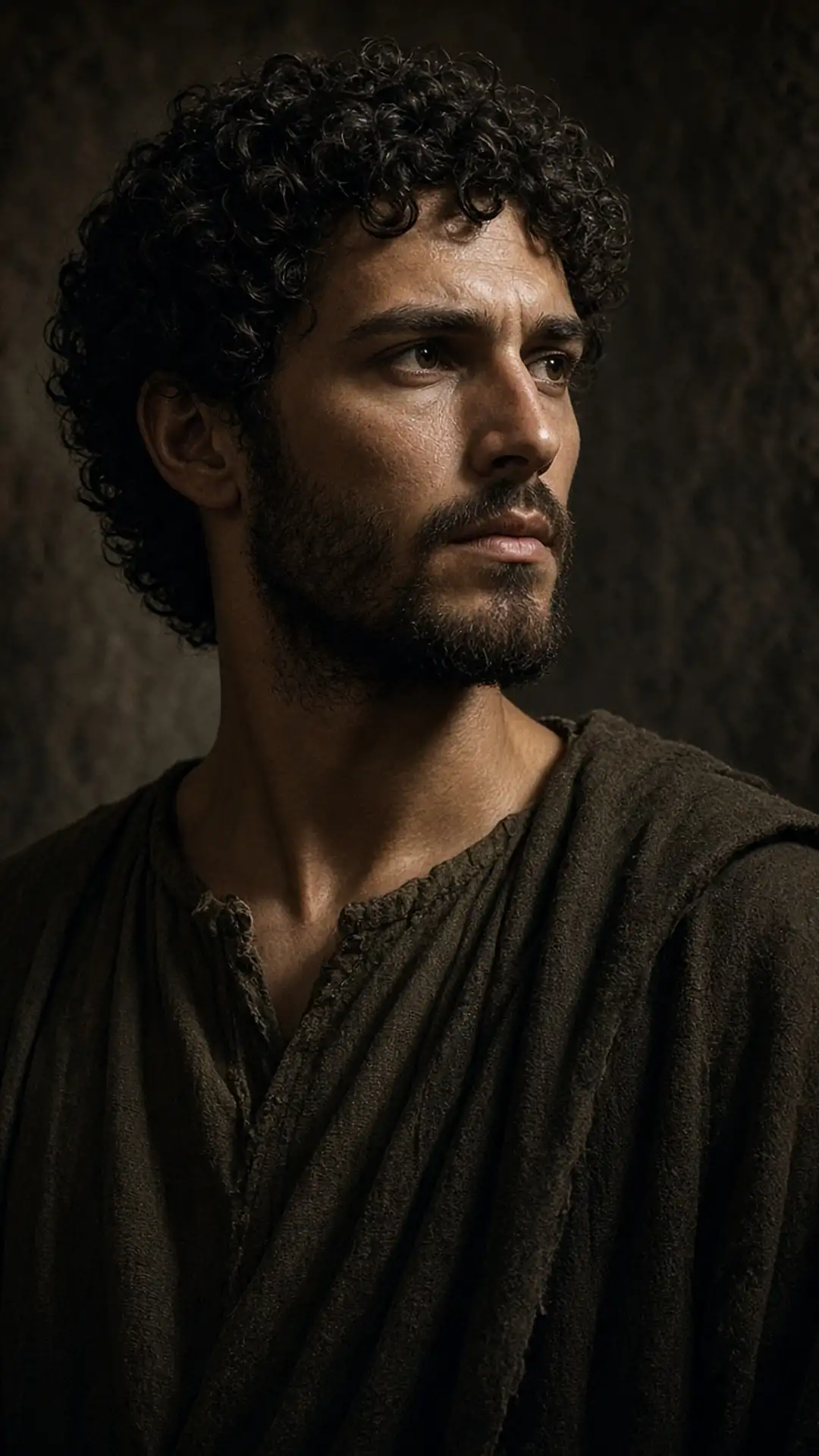
Key Moments in Thomas’ Life
Chosen as one of the Twelve (Matt 10:3)
“Let us also go, that we may die with him” (John 11:16)
“We know not whither thou goest” (John 14:5)
“Except I shall see… I will not believe” (John 20:25)
“My Lord and my God” (John 20:28)
Present at the Sea of Galilee (John 21:2)
The Call – Chosen Among the Twelve
Thomas, also called Didymus (“twin”), is listed among the twelve apostles in all four Gospel accounts (Matthew 10:3; Mark 3:18; Luke 6:15; John 21:2). Little is known about his early life or background. He is not mentioned in the Old Testament or in any pre-Gospel Jewish writings, making him one of the more mysterious figures among the Twelve.
Thomas was likely a Galilean like most of the apostles, and he may have been a twin (Didymus means “twin” in Greek), though his twin is never named. He was chosen by Jesus to be one of the Twelve, placing him among the closest followers who witnessed Jesus’ ministry, miracles, teachings, death, and resurrection. His inclusion shows that Jesus called ordinary men—some bold, some doubting—to carry the gospel message.
Thomas appears in the Gospels mainly in the Gospel of John, where he is given more personality than in the Synoptics. His three major speaking moments reveal a man who was loyal, skeptical, and eventually profoundly convinced of Jesus’ resurrection. His story is one of honest doubt leading to strong faith.
Lazarus – Ready to Die with Jesus
When Jesus decided to return to Judea to raise Lazarus, the disciples warned Him of the danger: the Jews had recently tried to stone Him there (John 11:8). Thomas, ever realistic and loyal, spoke up: “Let us also go, that we may die with him” (John 11:16).
This statement reveals Thomas’ courage and devotion. He understood the risk Jesus was taking, and he was willing to face death alongside his Master. While his words may sound pessimistic, they show deep loyalty. Thomas was not afraid to speak his mind, and he was ready to follow Jesus even into danger. This moment foreshadows his later doubt—he was a man who needed to see and experience things for himself.
“Then said Thomas, which is called Didymus, unto his fellowdisciples, Let us also go, that we may die with him.” — John 11:16 (AKJV)
The Way to the Father – Honest Questions
At the Last Supper, Jesus told the disciples He was going to prepare a place for them and that they knew the way (John 14:4). Thomas, always straightforward, replied: “Lord, we know not whither thou goest; and how can we know the way?” (John 14:5). This honest question prompted Jesus’ famous reply: “I am the way, the truth, and the life: no man cometh unto the Father, but by me” (John 14:6).
Thomas’ question was not doubt but a desire for clarity. He wanted to understand. Jesus honored his honesty by giving one of the clearest statements of His identity in all Scripture. Thomas’ willingness to ask hard questions opened the door for profound revelation.
The Doubting Thomas – “Except I Shall See”
After the resurrection, Jesus appeared to the disciples—but Thomas was not with them. When the others told him, “We have seen the Lord,” Thomas replied: “Except I shall see in his hands the print of the nails, and put my finger into the print of the nails, and thrust my hand into his side, I will not believe” (John 20:25). This statement earned him the nickname “Doubting Thomas,” though his words reflect a demand for evidence rather than outright rejection.
Eight days later, Jesus appeared again and directly addressed Thomas: “Reach hither thy finger, and behold my hands; and reach hither thy hand, and thrust it into my side: and be not faithless, but believing” (John 20:27). Thomas responded with one of the greatest confessions in Scripture: “My Lord and my God” (John 20:28). Jesus then said, “Thomas, because thou hast seen me, thou hast believed: blessed are they that have not seen, and yet have believed” (John 20:29).
Thomas’ doubt was not rebellion—it was honest skepticism. When confronted with evidence, he moved from doubt to worship. His confession “My Lord and my God” is the strongest declaration of Jesus’ divinity in the Gospels.
“And Thomas answered and said unto him, My Lord and my God.” — John 20:28 (AKJV)
The Final Fishing Miracle & Beyond
Thomas was present at the Sea of Galilee when Jesus appeared to the disciples after the resurrection and performed the miraculous catch of fish (John 21:2). He witnessed Jesus’ restoration of Peter and the Great Commission. After this, Thomas fades from the biblical narrative.
Early tradition says Thomas took the gospel to Parthia (modern-day Iran) and then to India, where he founded churches and was eventually martyred by spearing around AD 72. The St. Thomas Christians in Kerala, India, trace their origins to his ministry. While some details are legendary, his missionary zeal fits his character: once convinced, Thomas was fully committed.
Death & Legacy
Tradition holds that Thomas was martyred in India by being speared to death around AD 72. His death, like his life, was marked by bold commitment to Christ. He is venerated as the patron saint of architects and builders (because he supposedly built churches in India) and as a symbol of honest doubt leading to strong faith.
Thomas’ legacy is that of a skeptic who became a believer. His famous demand for evidence (“except I shall see…”) resonates with modern seekers. When he saw the risen Jesus, his doubt turned to worship: “My Lord and my God”. This confession is one of the clearest declarations of Jesus’ divinity in Scripture. Thomas reminds us that honest questions are not the enemy of faith—they can lead to deeper conviction. His story shows that Jesus meets doubters where they are and transforms them into faithful witnesses.