Greater Love Has No One: The True Meaning of Sacrifice on Memorial Day
A Day of Solemn Remembrance
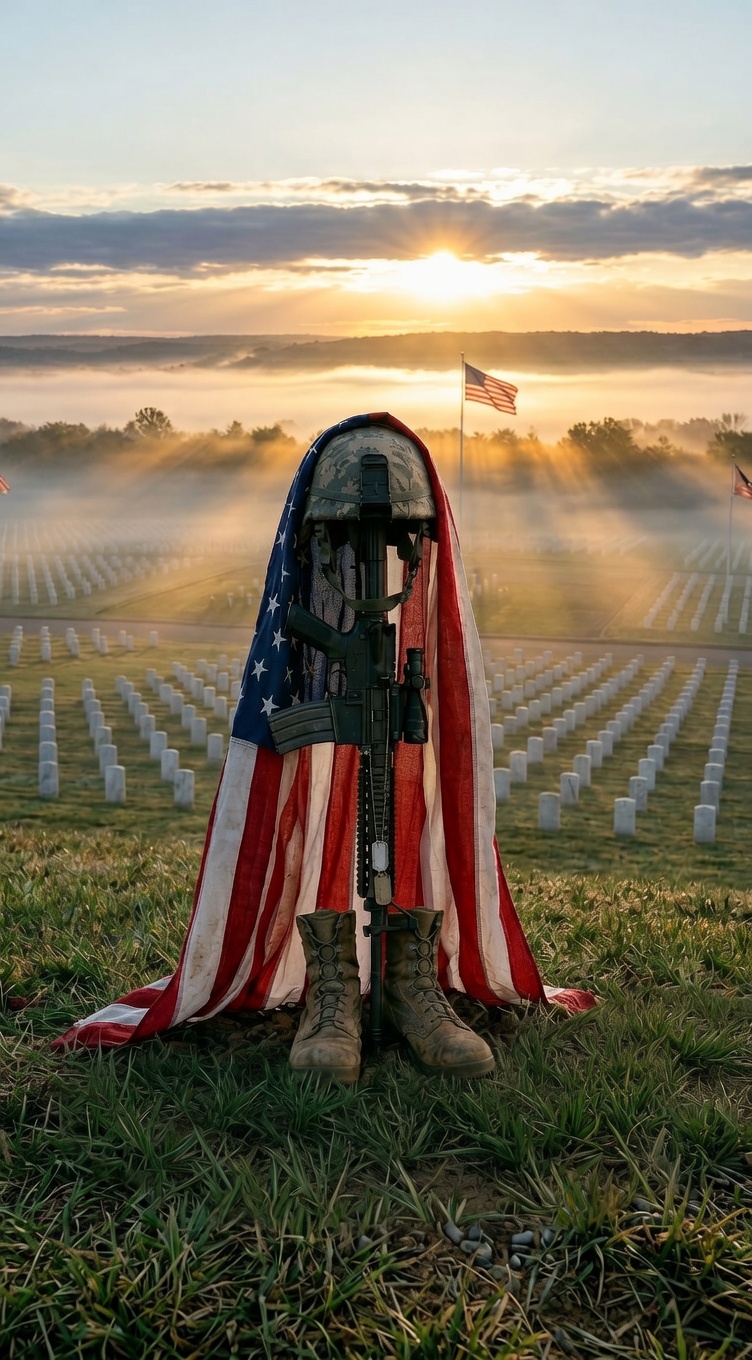 Today we pause as a nation to remember the men and women who laid down their lives in service to our country. Memorial Day is not about barbecues and sales — it is a solemn day of honor. We remember the fallen. We remember the cost of freedom. We remember those who never came home so that we could live in liberty.
In the quiet rows of white crosses at Arlington and in countless cemeteries across our land, we see the evidence of a profound truth: freedom is never free. It is purchased with blood. And in that truth, the Bible speaks with powerful clarity.
“Greater love has no one than this: to lay down one’s life for one’s friends.” — John 15:13 (WEB)
The Cost of Freedom
Memorial Day began as “Decoration Day” after the Civil War, when families would place flowers on the graves of fallen soldiers. Over time it grew to honor every American who gave their life in military service — from the Revolutionary War through today’s conflicts. Each year we gather not to celebrate war, but to remember sacrifice. We stand silent at 3:00 p.m. during the National Moment of Remembrance. We place flags and flowers at gravesites. We tell stories of courage, of young men and women who left home knowing they might never return, all so future generations could live in freedom.
These stories are powerful because they echo a deeper story — the story of the greatest sacrifice the world has ever known. The Bible teaches us that the ultimate example of love is laying down one’s life for others. The soldiers we honor today did that for their fellow citizens. Jesus did that for the entire world. Their sacrifice secured political and physical freedom. His sacrifice secured spiritual and eternal freedom. Both kinds of sacrifice deserve our deepest gratitude and reflection.
As we remember the fallen today, let us also remember that every act of bravery finds its truest meaning in the cross of Christ. Without the cross, even the noblest human sacrifice would be temporary. With the cross, every life laid down points us to the One who laid down His life so that death itself would be defeated.
The Greatest Sacrifice in History
Long before any American soldier ever fell in battle, Jesus Christ laid down His life for the freedom of the entire human race. He did not die for one nation — He died for every tribe, tongue, and people. His sacrifice was not for temporary political freedom, but for eternal spiritual freedom.
The Bible tells us that all of us were enslaved to sin and under the sentence of death (Romans 6:23). We were prisoners with no hope of escape. But Jesus, the perfect Son of God, willingly took our place. He was pierced for our transgressions. He was crushed for our iniquities. The punishment that brought us peace was laid on Him (Isaiah 53:5).
On the cross, Jesus cried out, “It is finished!” The debt was paid in full. The veil was torn. The way to the Father was opened forever. Because He died, we can live. Because He rose, death no longer has the final word.
Memorial Day reminds us that some gave their lives so that others could live in freedom. Jesus gave His life so that the whole world could be set free from sin, death, and hell. The soldiers we honor today showed incredible courage and love. Jesus showed the greatest love the universe has ever seen. He did not die for friends who loved Him — He died for enemies who hated Him. While we were still sinners, Christ died for us (Romans 5:8).
This is why the cross stands as the ultimate memorial. Every battlefield cross, every folded flag, every name etched in stone points us back to Calvary. The courage of our fallen heroes reflects the courage of the Savior who faced the cross for us. Their sacrifice secured our earthly liberty. His sacrifice secured our eternal liberty. Both deserve to be remembered with gratitude, reverence, and awe.
A Call to Remember and Live Differently
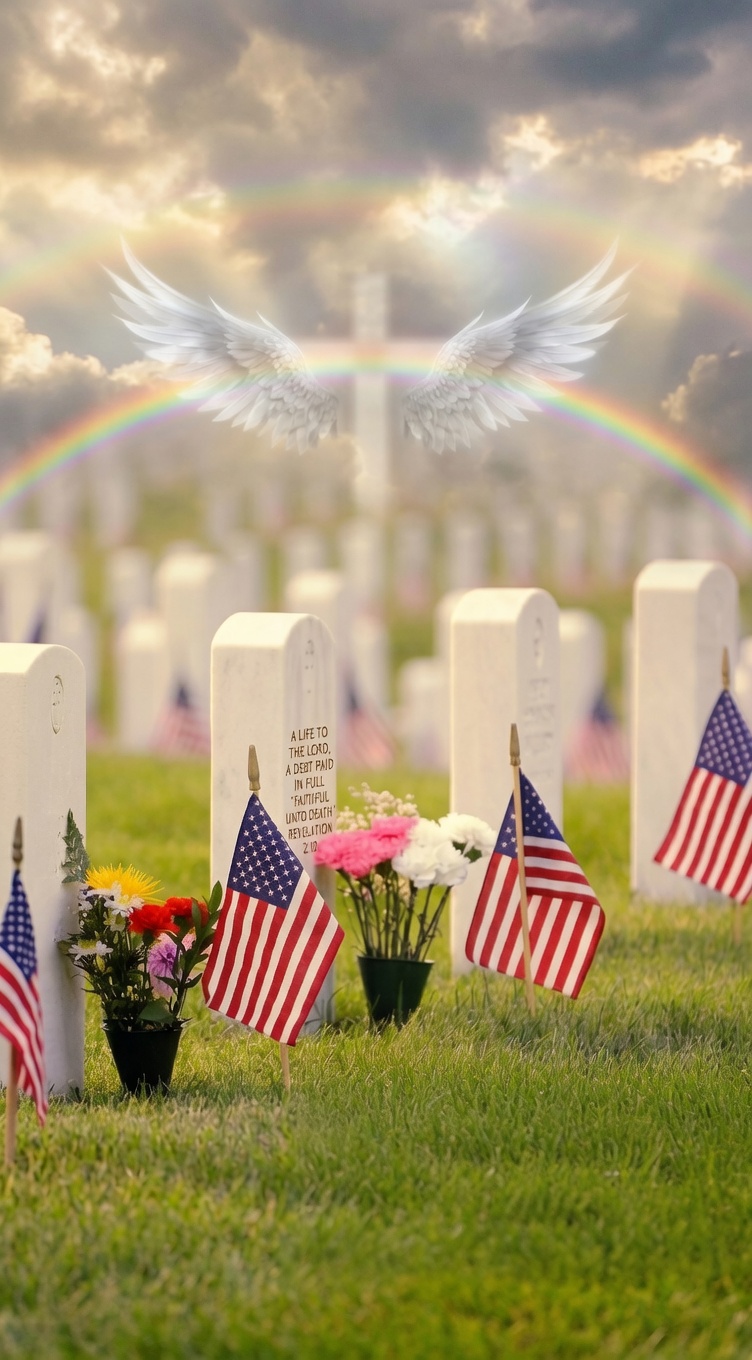 Today we remember the fallen with gratitude and honor. We also remember the One whose sacrifice makes every other act of bravery meaningful. Without the cross, freedom would be temporary. With the cross, freedom is eternal.
Jesus’ sacrifice calls us to live differently. We are no longer our own. We have been bought with a price (1 Corinthians 6:19-20). The men and women we honor today gave everything so we could enjoy the blessings of this nation. Jesus gave everything so we could enjoy the blessings of eternity.
Let this Memorial Day stir fresh gratitude in your heart — not only for those who died for our country, but for the Savior who died for your soul. Let it move you to live with purpose, to love sacrificially, and to tell others about the greatest freedom of all: freedom from sin and the gift of eternal life through Jesus Christ.
Today we remember. Today we honor. Today we worship the One who made true freedom possible.
As believers, we are called to live as people who have been set free. We remember the fallen soldiers by living lives of integrity, service, and gratitude. We remember Jesus by living lives of holiness, love, and bold witness. The same love that motivated a soldier to run into danger should motivate us to run toward the lost with the gospel. The same courage that enabled a young man or woman to lay down their life should enable us to lay down our comfort, our pride, and our self-centeredness for the sake of Christ.
Memorial Day is more than a holiday — it is a call to live worthy of the sacrifice that has been made for us. Let us live worthy of the sacrifice of those who died for our nation, and far more importantly, let us live worthy of the sacrifice of the Savior who died for our souls.
May the words of Jesus echo in our hearts today and every day: “Greater love has no one than this…” Let that love shape how we remember, how we live, and how we point others to the only One who can give eternal freedom.