Tetelestai – The Profound Meaning of Jesus’ Last Words on the Cross
The Context of Tetelestai – John 19:30
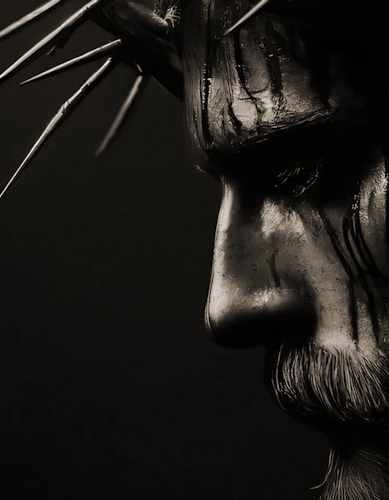 The Gospel of John records Jesus’ final words on the cross: “When Jesus therefore had received the vinegar, he said, It is finished: and he bowed his head, and gave up the ghost” (John 19:30). The Greek word translated “It is finished” is tetelestai — a single word packed with profound meaning. Tetelestai is in the perfect tense, indicating an action completed in the past with results continuing into the future. It means “it has been completed,” “it stands finished,” or “paid in full.”
In the first-century world, tetelestai was a common term in commerce. It was stamped on receipts to indicate a debt had been paid in full. It was written on legal documents to show an obligation was fulfilled. It was used in accounting to mark “complete.” When Jesus uttered tetelestai, He was declaring that the debt of sin was paid, the work of redemption was complete, and the mission the Father gave Him was fulfilled. This word is not a cry of defeat, but of victory. It is the culmination of Jesus’ earthly ministry, echoing His prayer in John 17:4: “I have glorified thee on the earth: I have finished the work which thou gavest me to do” (John 17:4).
The setting is crucial. Jesus has been crucified, enduring unimaginable suffering. He has spoken words of forgiveness, provision, and fulfillment of Scripture. Now, knowing “all things were now accomplished” (John 19:28), He drinks the vinegar to fulfill Psalm 69:21, and declares tetelestai. The word marks the end of the old covenant sacrifices and the beginning of the new era of grace. It is the pivot point of history — the moment sin’s power is broken, Satan is defeated, and salvation is secured.
“When Jesus therefore had received the vinegar, he said, It is finished: and he bowed his head, and gave up the ghost.” — John 19:30 (AKJV)
Tetelestai in Commercial and Legal Terms
Tetelestai was a common word in the Greek-speaking world of the first century. It was used in business transactions to indicate that a bill had been paid in full. Archaeologists have found receipts from that era with tetelestai stamped on them, meaning “debt discharged.” In legal contexts, it was used to signify that a sentence had been fully served or a contract fulfilled. In everyday life, it could mean a task was complete, like a servant reporting to his master: “Tetelestai — it is done.”
Applied to the cross, tetelestai means the debt of sin is paid in full. Humanity owed a debt to God because of sin — a debt we could not pay. Jesus, the perfect substitute, paid it with His life. As Paul writes: “Having forgiven you all trespasses; blotting out the handwriting of ordinances that was against us, which was contrary to us, and took it out of the way, nailing it to his cross” (Colossians 2:13-14). The “handwriting of ordinances” is like a legal IOU; Jesus nailed it to the cross and stamped it tetelestai.
This meaning is deepened by the timing. Jesus died at the Passover, when lambs were sacrificed for sin. His death fulfills the sacrificial system — no more animals needed, because the Lamb of God has paid once for all. Tetelestai declares the end of the old system and the beginning of the new.
Jesus’ Last Words in the Other Gospels
The Gospels each highlight different last words of Jesus, but they complement tetelestai:
- Forgiveness: “Father, forgive them; for they know not what they do” (Luke 23:34).
- Provision: “Woman, behold thy son… Behold thy mother” (John 19:26-27).
- Abandonment: “My God, my God, why hast thou forsaken me?” (Matthew 27:46; Mark 15:34).
- Thirst: “I thirst” (John 19:28).
- Completion: “It is finished” (John 19:30).
- Commendation: “Father, into thy hands I commend my spirit” (Luke 23:46).
Tetelestai ties them together: forgiveness is complete, provision is made, abandonment is endured, thirst is fulfilled, the work is finished, the spirit is commended. The last words show the cross as the center of salvation.
Old Testament Fulfillment in Tetelestai
Tetelestai fulfills numerous Old Testament prophecies and types:
- Psalm 22: Jesus’ cry of abandonment quotes Psalm 22:1, but the psalm ends in victory: “It is finished” echoes the psalm’s resolution (Psalm 22:31).
- Isaiah 53: The Suffering Servant “hath borne our griefs” and “made intercession for the transgressors” — tetelestai declares the work done (Isaiah 53:4-12).
- Passover Lamb: Jesus dies at the time of the Passover sacrifice, the lamb whose blood saves from death. Tetelestai marks the ultimate Passover fulfillment (Exodus 12:13).
- Day of Atonement: The high priest entered the Holy of Holies to atone for sin. Jesus, the great High Priest, completes the atonement (Leviticus 16:34).
- Psalm 69: Jesus drinks vinegar to fulfill “They gave me also gall for my meat; and in my thirst they gave me vinegar to drink” (Psalm 69:21).
Tetelestai declares that all these shadows are fulfilled in Christ. The old covenant is complete; the new begins.
Tetelestai in Theology – Paid in Full
Tetelestai has profound theological implications. It means sin’s debt is paid (Romans 6:23). Satan’s power is broken (Colossians 2:15). Death is defeated (1 Corinthians 15:54-57). Reconciliation is complete (2 Corinthians 5:18-19). The curtain is torn, access to God is open (Matthew 27:51).
Tetelestai assures believers that salvation is finished work — nothing to add. We do not earn it; we receive it by faith. It is the basis for assurance: “There is therefore now no condemnation to them which are in Christ Jesus” (Romans 8:1).
The Meaning for Us Today
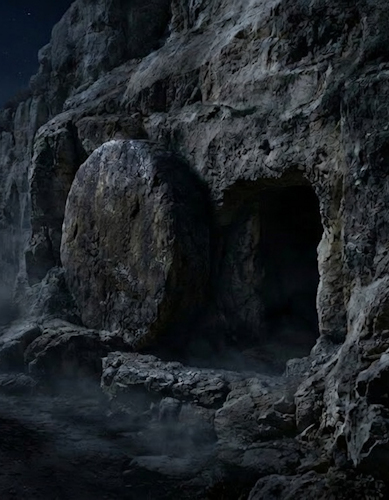 Tetelestai is the Christian’s victory cry. When we face guilt, tetelestai says paid in full. When we face temptation, tetelestai says sin’s power is broken. When we face death, tetelestai says it is finished. Rest in the completed work of Christ. He has done it all. Believe, and live in the freedom tetelestai brings.
As we reflect on Jesus’ last words, let tetelestai echo in our hearts. The work is done. The debt is paid. The victory is won. It is finished.