The Crimson Worm: How a Tiny Creature Reveals the Beauty of Christ’s Sacrifice
The Mysterious Creature in Scripture
 In Psalm 22 — the same psalm that begins with Jesus’ words from the cross, “My God, my God, why have you forsaken me?” — David makes a striking statement: “But I am a worm, and no man” (Psalm 22:6). The Hebrew word translated “worm” here is *tola* (or *tola’ath*), which refers to a very specific creature: the Crimson Worm, scientifically known as *Coccus ilicis*.
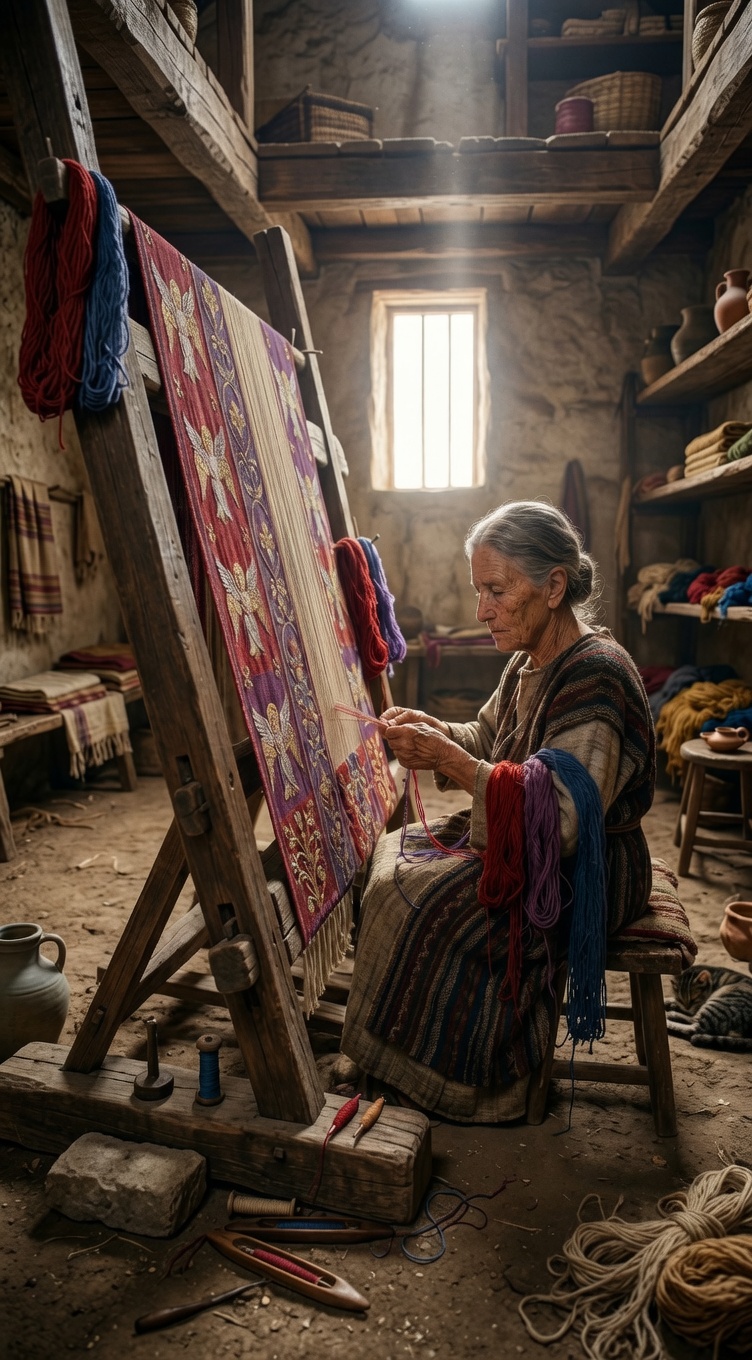
This tiny insect was well known in the ancient world because it produced the expensive scarlet dye used in the tabernacle curtains, the high priest’s garments, and the scarlet thread in the temple. But its life cycle is even more remarkable — and points directly to the death and resurrection of Jesus Christ.
When the female Crimson Worm is ready to give birth, she climbs a tree or attaches herself to a wooden post. She attaches her body so firmly that she can never leave. She then lays her eggs and covers them with a protective red fluid from her own body. As she dies, her body turns into a crimson spot that hardens and protects the eggs until they hatch. The mother literally gives her life so her children can live. The red stain left behind is the very substance that was used to make the most expensive scarlet dye in the ancient world.
This is not just an interesting nature fact. It is a divinely designed picture of the gospel — hidden in creation for thousands of years and revealed in the suffering of Jesus on the cross.
“But I am a worm, and no man; a reproach of men, and despised of the people.” — Psalm 22:6 (WEB)
The Life Cycle of the Crimson Worm
The female Crimson Worm chooses a tree or wooden post and attaches herself permanently using a strong wax-like substance. She cannot move again. She lays her eggs inside this protective covering and then dies. As she dies, her body bursts open and releases a crimson fluid that both nourishes the eggs and dyes the wood a permanent scarlet color. The mother literally gives her lifeblood so her offspring can live and be protected.
After a short time, the baby worms emerge. They feed on the remains of their mother’s body until they are strong enough to fly away. The mother’s sacrifice provides both life and protection for the next generation. The scarlet stain left on the tree is a lasting testimony of her love and death.
This is a stunning picture of what happened on the cross. Jesus willingly attached Himself to a wooden cross. He could have come down at any moment, but He chose to stay. He gave His blood — the crimson fluid of His life — so that we, His children, could live eternally. The stain of His blood covers us and protects us from judgment, just as the mother worm’s blood protected her young.
Jesus even used worm language about Himself. In Psalm 22:6, written a thousand years before the cross, the Messiah says, “I am a worm.” On the cross, Jesus became the Tola — the Crimson Worm — crushed for our iniquities so that we could be made clean.
Old Testament Connections to the Crimson Worm
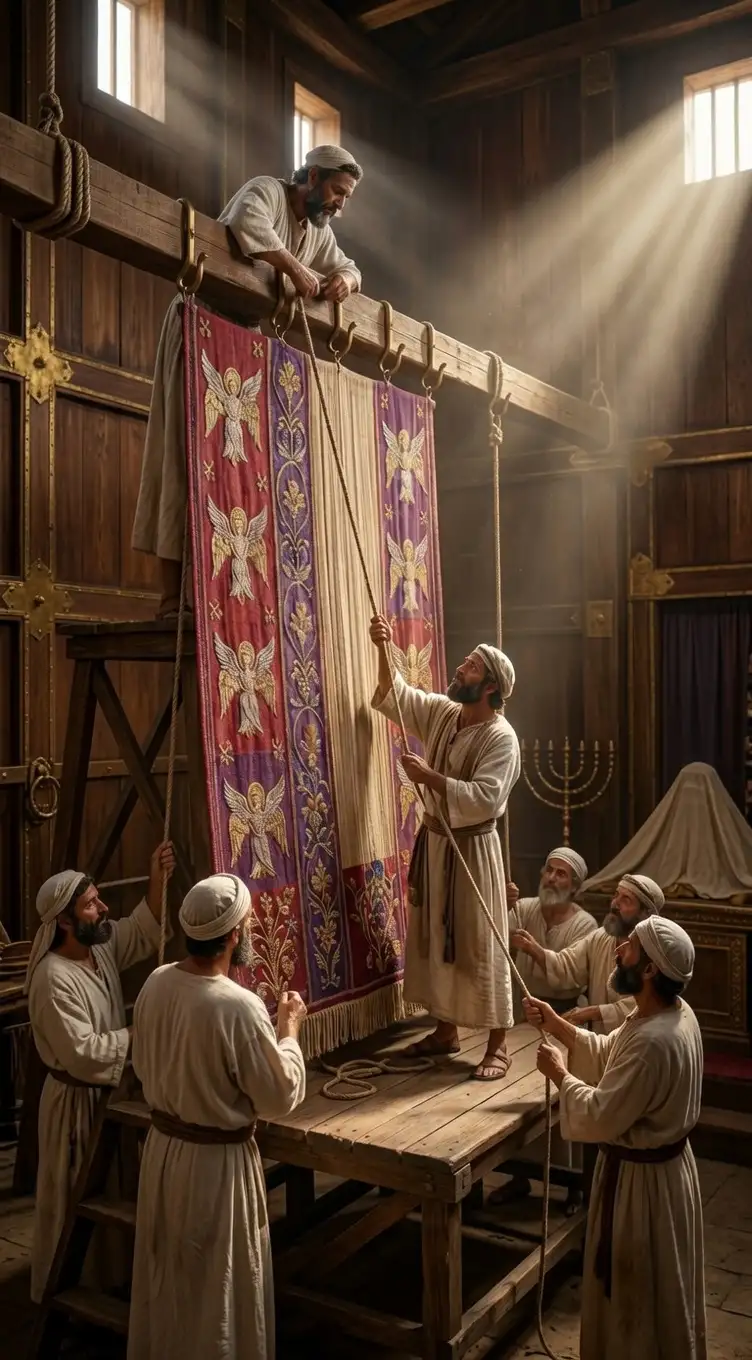
The Crimson Worm is not only a New Testament illustration — it is woven throughout the Old Testament. The scarlet dye it produced was required by God for the construction of the tabernacle and the garments of the high priest. Exodus 25–28 repeatedly commands that the curtains, the veil, the ephod, and the breastplate must contain “scarlet” — the color made from the crushed bodies of these worms.
Scarlet was also used in the ritual for cleansing a leper (Leviticus 14:4-6) and in the ceremony of the red heifer (Numbers 19:6). In every case, the color red speaks of blood, sacrifice, and cleansing. The very dye used in the holiest places of worship came from a creature that gave its life by being crushed.
Isaiah 1:18 says, “Though your sins are like scarlet, they shall be as white as snow” (Isaiah 1:18). The Hebrew word for “scarlet” is the same word used for the dye of the Tola worm. God was saying that the blood of the Crimson Worm could make what was stained red become white — a beautiful foreshadowing of the blood of Jesus that washes away every sin.
Jesus, Our Crimson Worm
 On the cross, Jesus became the Tola — the Crimson Worm. He allowed Himself to be nailed to a wooden cross. He gave His blood so that we could live. Just as the mother worm dies so her children can live, Jesus died so we could have eternal life.
Psalm 22, which begins with the cry of forsakenness, ends with triumph. After describing His suffering in detail, the psalmist writes, “All the ends of the earth will remember and turn to the Lord” (Psalm 22:27). The worm that was crushed becomes the means of salvation for the whole world.
When Jesus cried, “It is finished!” on the cross, He completed the work of redemption. The blood that flowed from His body has the power to wash away every sin and make us white as snow. The same God who designed the Crimson Worm designed the cross so that the greatest sacrifice would be the greatest picture of love the world has ever seen.
The Meaning for Us Today
The story of the Crimson Worm is not just an interesting Bible illustration — it is a personal invitation. Jesus became the worm for you. He allowed Himself to be crushed so that you could be made clean. His blood covers you, protects you, and gives you new life.
No matter how stained your life feels, the blood of the Crimson Worm — the blood of Jesus — can make you white as snow. No matter how small or insignificant you feel, God uses “worms” to accomplish His greatest purposes. Jesus was willing to become a worm so that you could become a child of God.
Let the story of the Tola worm remind you: the One who was crushed for you is now alive and reigning, and He is coming back soon. Until that day, may we live as those who have been washed, redeemed, and set free by the blood of the Lamb.