The Fig Tree That Never Had a Chance: Why Jesus Cursed It Out of Season
The Unexpected Curse
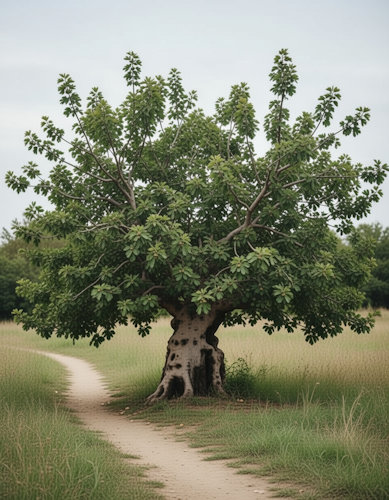 Early in Holy Week, on the day after the Triumphal Entry, Jesus was hungry. Seeing a fig tree in leaf from a distance, He approached it hoping to find fruit. But the tree had only leaves—no figs. Jesus said to it, “May no fruit ever come from you again.” And immediately the tree withered (Matthew 21:19; Mark 11:12–14, 20–21).
Mark adds a striking detail: “It was not the season for figs” (Mark 11:13). So why did Jesus curse a tree for not bearing fruit when it wasn’t even the right time of year? This is not a story about horticulture or Jesus having a bad day. It is one of the most symbolic acts in the Gospels — a living parable directed at Israel, the temple, and every generation that looks fruitful on the outside but is barren within.
“Seeing in the distance a fig tree in leaf, he went to see if he could find anything on it. When he came to it, he found nothing but leaves, for it was not the season for figs. And he said to it, ‘May no one ever eat fruit from you again.’ And his disciples heard it.” — Mark 11:13–14 (AKJV)
The Fig Tree as a Symbol of Israel
Throughout the Old Testament, Israel is repeatedly compared to a fig tree (Hosea 9:10; Jeremiah 24; Joel 1:7,12). God planted Israel to bear fruit for the nations — righteousness, justice, mercy, and knowledge of God. Figs represent spiritual fruitfulness. Leaves represent outward appearance and profession.
When Jesus approached the tree, He saw leaves from a distance — a promise of fruit. But up close, nothing. This perfectly mirrored the temple system of His day: outwardly religious (leaves), inwardly barren (no fruit). The temple courts were busy with sacrifices, prayers, and teaching, but true repentance, justice, and love for God and neighbor were largely absent. The fig tree was a living sermon — a prophetic act of judgment on a nation that looked alive but was spiritually dead.
The Leaves That Deceive
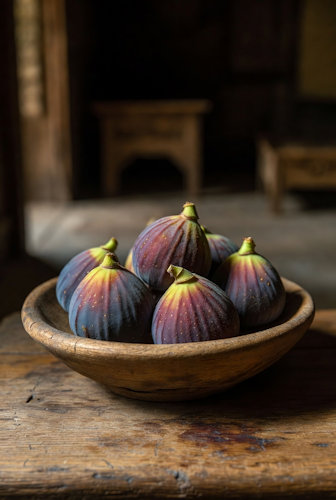
The detail “it was not the season for figs” is crucial. Fig trees in Israel normally produce early fruit (breba figs) before full leafing. If a tree already had leaves, it was reasonable to expect early figs — especially in the warm microclimate near Jerusalem. This tree was advertising fruit it did not have. It was a hypocrite in nature.
Jesus’ curse is not about unfairness; it is about judgment on false appearance. The leaves were a false promise. The tree used energy to grow foliage instead of fruit. Likewise, Israel (and later, religious people of every age) can produce impressive religious leaves — attendance, rituals, language, moralism — while bearing no real fruit of love, mercy, humility, and obedience. Jesus is saying: “If you claim to be Mine, show fruit. Leaves alone will not do.”
“Every branch in me that does not bear fruit he takes away, and every branch that does bear fruit he prunes, that it may bear more fruit.” — John 15:2 (AKJV)
The Withered Tree and the Cleansed Temple
 Mark places the fig tree episode right between Jesus’ two visits to the temple (Mark 11). On Monday He enters, looks around, and leaves. On Tuesday He curses the tree, then cleanses the temple — driving out merchants and declaring it a “den of robbers.” On Wednesday the disciples see the tree withered from the roots. The sequence is deliberate: the cursed tree is a parable of the coming judgment on the temple system.
Within a generation (40 years), the temple would be destroyed by Rome in AD 70. The leaves of religious activity were stripped away. The curse on the tree was a visible sign of what would happen to a nation that honored God with lips and leaves but whose heart was far from Him (Isaiah 29:13; Matthew 15:8).
What the Fig Tree Says to Us Today
The story is not just about ancient Israel. It is a mirror for every believer and every church:
- God looks for fruit, not just leaves: He is not impressed by religious activity, attendance, or outward morality if there is no love, mercy, justice, and transformed character (Micah 6:8; Galatians 5:22–23).
- Leaves can deceive — even us: We can look spiritually alive (Bible knowledge, prayer routines, church involvement) while being barren inside. Jesus warns against this kind of hypocrisy.
- God gives time, but not forever: The tree was given another year in Luke’s parable (Luke 13:6–9). Grace is patient, but judgment is certain for those who refuse to bear fruit.
- Fruitfulness comes from abiding: The withering was immediate because the tree was disconnected. Fruit grows naturally when we remain in Christ (John 15:5). The curse reminds us: without Him we can do nothing.
- Judgment begins at the house of God: The temple was judged first. Churches and believers who have leaves but no fruit will face pruning or removal — not out of cruelty, but for the health of the whole.
Jesus didn’t curse the tree out of frustration. He cursed it as a parable — a visible sermon. He wants us to see ourselves in it. Are we full of leaves or full of fruit? Do we advertise spirituality while being barren inside? The fig tree stands as both a warning and an invitation: come to Christ, abide in Him, and let Him produce real fruit in your life. Leaves fade. Fruit remains.