The Four Cups of Passover and the Cup Jesus Drank on the Cross
A Sacred Tradition Rooted in God’s Promises
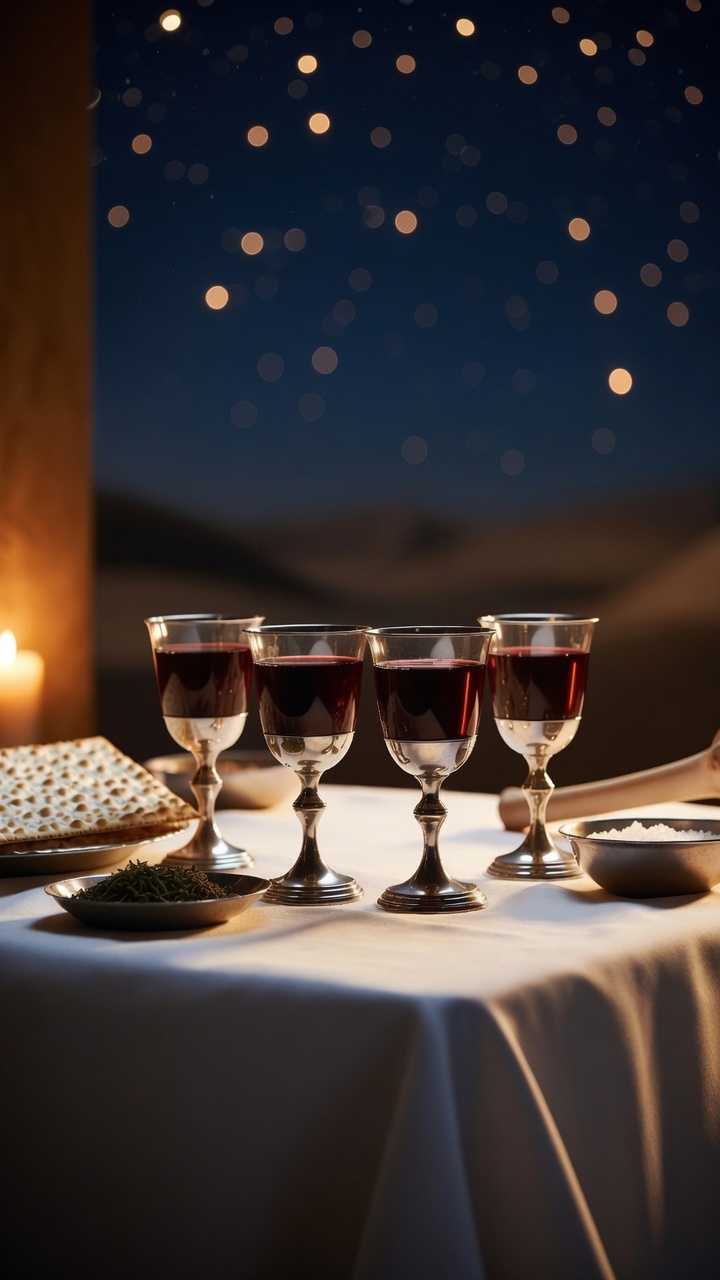 For over three thousand years, the Jewish people have celebrated Passover with a carefully ordered meal called the Seder. One of the most meaningful parts of this meal is the drinking of four cups of wine at specific moments. These four cups are not random. They were established by the rabbis based directly on four powerful promises God made to Israel in Exodus 6:6-7.
In these verses, God declares what He will do to rescue His people from slavery in Egypt. Each promise corresponds to one of the four cups. Together, they tell the complete story of redemption — from being set apart, to being delivered, to being redeemed, to being brought into relationship with God as His people. Understanding these cups helps us see the depth of what Jesus was doing when He celebrated the Last Supper and what He accomplished on the cross.
“Therefore say to the Israelites: ‘I am the Lord, and I will bring you out from under the yoke of the Egyptians. I will free you from being slaves to them, and I will redeem you with an outstretched arm and with mighty acts of judgment. I will take you as my own people, and I will be your God.’” — Exodus 6:6-7 (WEB)
The First Cup: Sanctification — “I Will Bring You Out”
The first cup is called the Cup of Sanctification (Kiddush). It is drunk early in the Seder after the blessing over the wine. This cup corresponds to God’s promise: “I will bring you out from under the yoke of the Egyptians.”
Sanctification means to be set apart. Before God delivered Israel, He declared that they were His special people, distinct from the nations around them. This cup reminds the participants that redemption begins with God choosing and setting apart those He intends to save. It is a declaration that the story of deliverance has begun.
In the Seder, this cup is also connected to the holiness of the meal itself. Everything that follows flows from this first act of sanctification. God did not save Israel because they were worthy — He saved them because He had chosen them and set them apart for His purposes.
The Second Cup: Deliverance — “I Will Free You From Bondage”
The second cup is known as the Cup of Deliverance or the Cup of Judgment. It is drunk after the telling of the Passover story and after the ten plagues are recounted. This cup points to God’s promise: “I will free you from being slaves to them.”
This is the cup that remembers the judgment that fell upon Egypt. The plagues demonstrated that the gods of Egypt were powerless before the God of Israel. The final plague — the death of the firstborn — was the ultimate act of deliverance, because it forced Pharaoh to release the Israelites.
At this point in the Seder, the participants drink the second cup while remembering that God judges sin and oppression. Deliverance always involves both rescue for God’s people and judgment upon the powers that held them captive. This cup prepares the heart to understand that true freedom comes at a cost.
The Third Cup: Redemption — “I Will Redeem You”
The third cup is called the Cup of Redemption. It is drunk after the meal has been eaten. This is the most significant cup in the Seder and directly corresponds to God’s promise: “I will redeem you with an outstretched arm and with mighty acts of judgment.”
Redemption in the Bible carries the idea of paying a price to set someone free. It is not just deliverance from danger — it is the purchase of freedom through a costly act. In the Exodus, God redeemed Israel by the blood of the Passover lamb and by His mighty power.
It was this third cup that Jesus took during the Last Supper. After they had eaten the Passover meal, Jesus took the cup and said, “This cup is the new covenant in my blood, which is poured out for you” (Luke 22:20). In that moment, He was identifying Himself as the true Passover Lamb whose blood would bring ultimate redemption — not just from Egypt, but from sin and death itself.
The Fourth Cup: Restoration — “I Will Take You as My People”
The fourth cup is called the Cup of Restoration or the Cup of Acceptance. It is drunk at the very end of the Seder, after the Hallel (psalms of praise) has been sung. This cup corresponds to God’s final promise: “I will take you as my own people, and I will be your God.”
This cup looks forward to the ultimate goal of redemption — not just freedom from slavery, but intimate relationship with God. It speaks of covenant love, belonging, and the restoration of all that was lost. In Jewish tradition, this cup is sometimes associated with the coming of Elijah and the future Messianic redemption.
Here is where the story of Jesus becomes even more profound. According to the Gospel accounts, after instituting the Lord’s Supper with the third cup, Jesus said, “I tell you, I will not drink from this fruit of the vine from now on until that day when I drink it new with you in my Father’s kingdom” (Matthew 26:29). He deliberately did not drink the fourth cup that night.
The Cup Jesus Prayed About in Gethsemane
After leaving the upper room, Jesus went to the Garden of Gethsemane. There He prayed three times, “My Father, if it is possible, may this cup be taken from me. Yet not as I will, but as you will” (Matthew 26:39).
The “cup” Jesus referred to was not merely the physical suffering of the cross. It was the cup of God’s wrath against sin — the full weight of divine judgment that He would bear as the substitute for sinners. But in the context of the Passover He had just celebrated, it was also the fourth cup — the Cup of Restoration — that He had left undrunk.
Jesus was willing to drink the cup of suffering so that one day He could drink the cup of restoration with His people in the kingdom. The fourth cup pointed to the ultimate goal: God dwelling with His redeemed people forever.
The Fourth Cup on the Cross
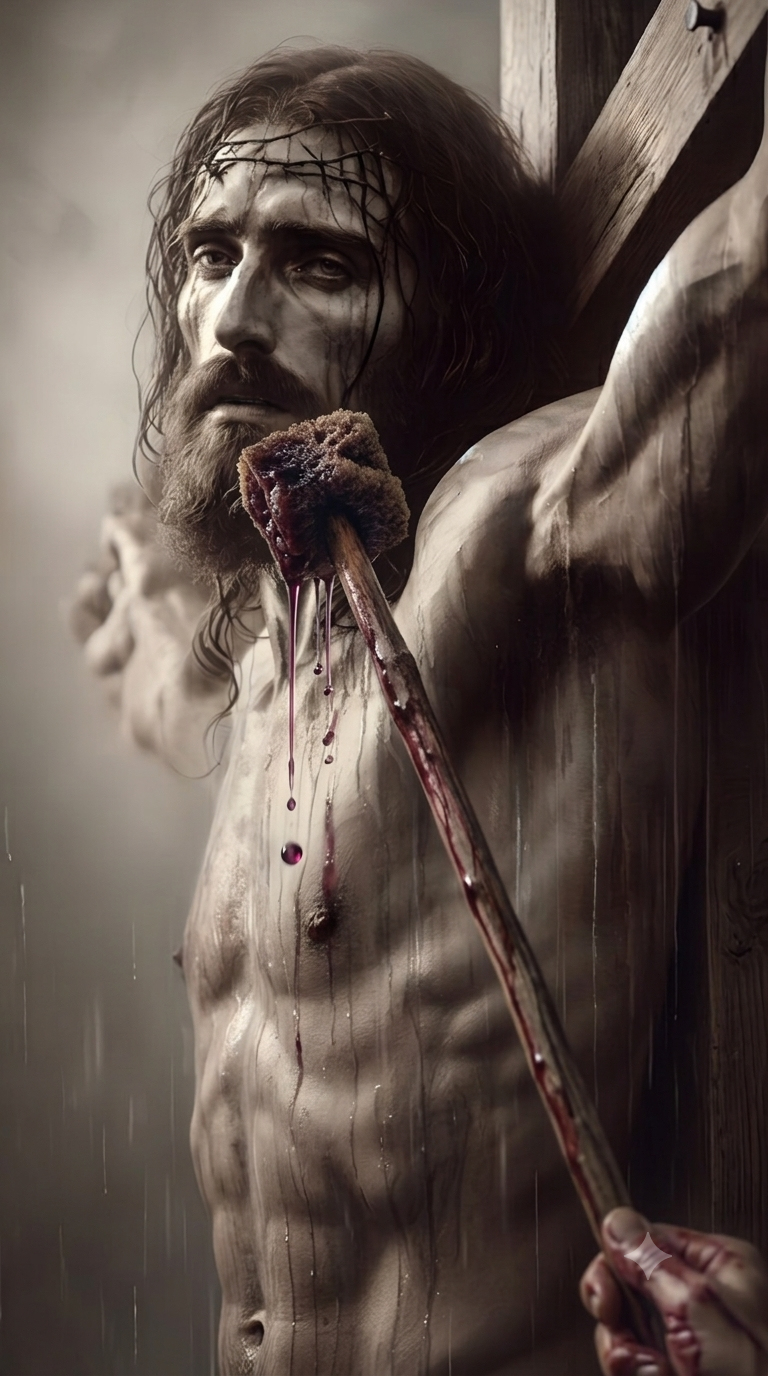 Hours later, while hanging on the cross, Jesus said, “I am thirsty” (John 19:28). The soldiers gave Him wine vinegar on a sponge attached to a hyssop branch. Hyssop was the very plant used in Egypt to apply the blood of the Passover lamb to the doorposts.
In that moment, Jesus drank. Many believe this was Him finally drinking the fourth cup — the Cup of Restoration. By doing so, He was declaring that the work of redemption was now complete. The Passover meal He had begun the night before was finally finished.
Immediately after drinking, Jesus said, “It is finished” (John 19:30). The Greek word used here, tetelestai, means “paid in full” or “completed.” The Passover Seder that began in the upper room reached its fulfillment on the cross when Jesus drank the final cup.
The Complete Picture of Redemption
When we understand the four cups, we see the full scope of what God promised and what Jesus accomplished:
The first cup — Sanctification: Jesus set us apart and made us holy through His blood.
The second cup — Deliverance: Jesus delivered us from the bondage of sin and the power of the enemy.
The third cup — Redemption: Jesus paid the price with His own blood to purchase our freedom.
The fourth cup — Restoration: Jesus drank the final cup on the cross so that we could be brought into eternal relationship with God as His people.
The story of the four cups does not end at the cross. One day, Jesus will drink the fourth cup again with us in the kingdom of God. Until that day, we remember His death and celebrate the redemption He secured when He drank the cup that completed the Passover once and for all.