The Red Heifer: Where It Came From, and What It Still Means
It Did Not Begin as an End-Times Puzzle
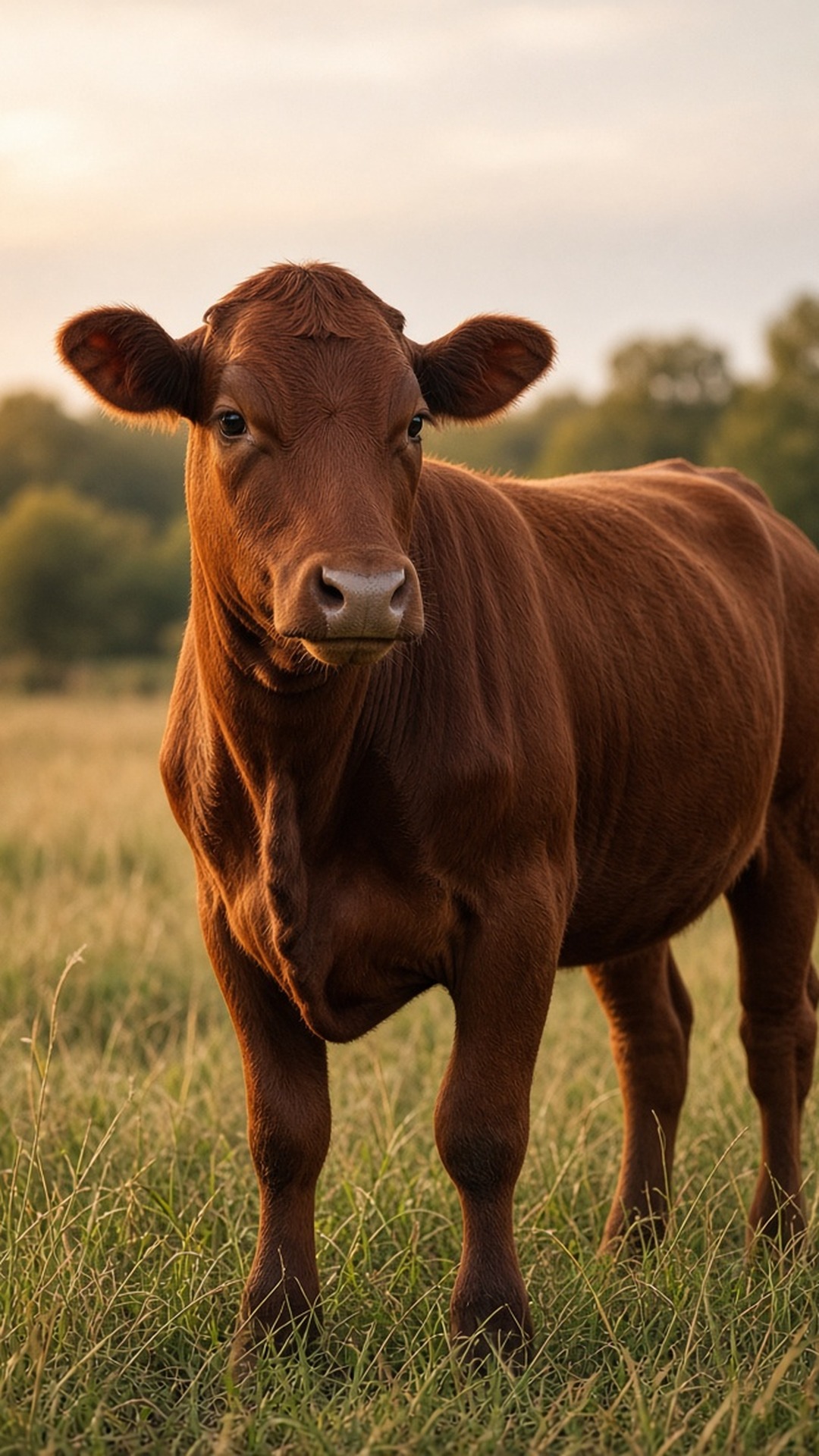 Most people meet the red heifer in a headline. A rare cow. A rumor of ashes. A claim that something two thousand years old has started again. That is not where the statute comes from, and it is not what the Bible spends its ink on. The red heifer comes from the wilderness, from a people living next to death, from a God who would not let the stain of the grave have the last word over His camp.
The command is given in Numbers 19:1-2, after Korah’s rebellion, after plague, after graves had multiplied in the sand. Israel could keep moving. Israel could not keep coming near God while corpse-impurity sat on them untreated. “Whoever touches the dead body of any man and doesn’t purify himself defiles Yahweh’s tabernacle” (Numbers 19:13). The heifer is not first a sign of the last days. She is first God’s answer to death in the middle of the journey.
That origin matters. If you start with the wilderness, the later arguments make sense. If you start with the argument, you will miss what the ashes were for.
“Speak to the children of Israel, that they bring you a red heifer without spot, in which is no defect, and on which never came a yoke.” — Numbers 19:2 (WEB)
What Most People Never Hear
The animal must be female, fully red, unblemished, and never yoked. Two hairs that are not red, from the same follicle, disqualify her. A cloth used as a burden can disqualify her. She is usually in her third or fourth year. Wait too long and the coat fails. That is why a qualified heifer is not a breed you order. It is an exception you recognize — and often lose.
She is slain outside the camp, not on the altar inside. Her blood is not poured at the base of the bronze altar like a common offering. It is sprinkled seven times toward the sanctuary from outside (Numbers 19:3-4). Then her whole body burns — hide, flesh, blood, dung — with cedar, hyssop, and scarlet yarn (Numbers 19:5-6). Cedar is the high tree. Hyssop is the low plant Solomon named when he spoke of every created thing. Scarlet is the color Isaiah later used for sin that God promises to make white (Isaiah 1:18).
Here is the detail that still startles people who have read the chapter for years. The priest who prepares the ashes becomes unclean. So does the man who burns her. So does the man who gathers the ashes. So does the one who sprinkles the water (Numbers 19:7-10; Numbers 19:21). The thing that cleanses others stains the servants who handle it. Holiness passes through a man and leaves a mark. The rabbis said even Solomon could not explain it. Scripture does not pause to decode the riddle. It gives the heifer, the fire, the water, and the paradox — and later it gives the Son.
The first burning is assigned not to Aaron the high priest but to Eleazar his son. Aaron is spared a defilement that would sideline the high priest. The ashes are stored outside the camp in a clean place, then mixed with living water — spring water, not cistern water. The unclean person is sprinkled on the third day and the seventh, and is clean at evening of the seventh. Death’s stain is not shrugged off. It is appointed a week, two washings, and a cost.
Where the History Actually Runs
Moses oversees the first. After the exile, tradition names Ezra for the second, when a people who had lived among graves needed clean access to a restored house. In the Second Temple centuries the sages name a short list of high priests who prepared the rest: Simeon the Just and Johanan two each, then Elioenai, Hanamel, and Ishmael ben Piabi one each. From Moses to the year 70 the received count is nine heifers. Nine. Not a yearly festival. Not a common sacrifice. Ashes from one burning were divided and stored so they could last.
The priest chosen for the work was taken from his house seven days beforehand and lodged in a stone chamber, because stone does not carry impurity the way cloth and metal can. He was sprinkled with water from earlier ashes. Children who drew the water from Siloam were raised in houses built over inspected bedrock so that no forgotten grave lay under the floor. A causeway was built from the Temple Mount to the Mount of Olives so the procession would not step on tombs in the valley. The heifer faced west. The priest faced the Holy Place. He asked the crowd three times to confirm the cedar, the hyssop, and the scarlet, so no one could say the ordinance had been skipped.
That is the history under the rumor. After the Temple fell, the rite as Numbers describes it could not be finished in the old place. Candidates have been raised again in our day. Some have been brought into the land. Most have failed the same small tests. A burning has been filmed and argued over. The keepers of that law do not agree that a valid tenth heifer has been prepared. A Christian does not need that argument settled in order to know what the first heifer was saying.
What It Symbolizes — Then and Going Forward
The heifer symbolizes this, first: death defiles, and man cannot scrub it off with sincerity. Contact with the grave put a person outside the holy. That is still the human condition. “Therefore, as sin entered into the world through one man, and death through sin, so death passed to all men, because all sinned” (Romans 5:12). The statute is not primitive hygiene. It is theology in ash and water. You cannot walk into the presence of the living God carrying death as if it were dust you can brush away.
Second, cleansing costs a life that never carried a yoke — a life without the mark of common use, offered outside the camp, wholly consumed. The writer of Hebrews saw the line and drew it. “For if the blood of goats and bulls, and the ashes of a heifer sprinkling those who have been defiled, sanctify to the cleanness of the flesh, how much more will the blood of Christ, who through the eternal Spirit offered himself without defect to God, cleanse your conscience from dead works to serve the living God?” (Hebrews 9:13-14). The ashes reached the skin. Christ reaches the conscience. Going forward, that is the meaning that does not expire when a herd fails inspection.
Third, the clean One takes the stain so the stained can become clean. The priest becomes unclean by preparing the water that purifies. That is the gospel in the grammar of Numbers. “Him who knew no sin he made to be sin on our behalf; so that in him we might become the righteousness of God” (2 Corinthians 5:21). Jesus suffers outside the gate, as the heifer burned outside the camp. “Therefore Jesus also, that he might sanctify the people through his own blood, suffered outside of the gate. Let’s therefore go out to him outside of the camp, bearing his reproach” (Hebrews 13:12-13).
Fourth, going forward, the heifer is a shadow, not a rival altar. Some look at a red cow and see only a third temple. Scripture looks at the heifer and sees a sprinkling that could clean the body but not the heart. “We have an altar from which those who serve the holy tabernacle have no right to eat” (Hebrews 13:10). A rebuilt house of stone would still need a better blood than ash. The church already has that blood. The future the New Testament names is not a return to corpse-water. It is a city where “death will be no more” (Revelation 21:4).
How to Read the News Without Losing the Meaning
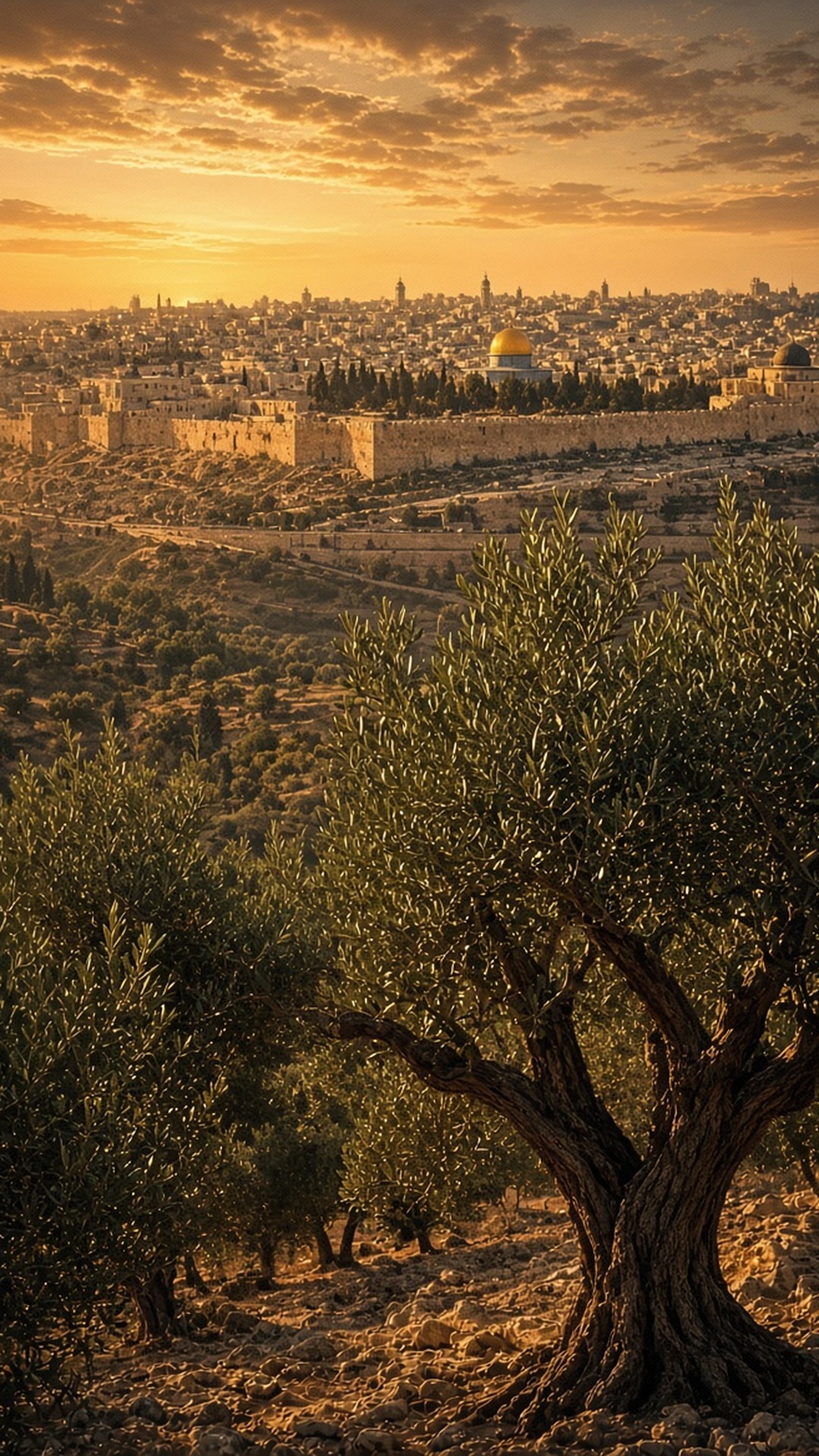 Watch the land if you want. God still keeps His appointments with Israel, and a stir around Numbers 19 is not nothing. But do not let a rare cow become a substitute gospel. The heifer never saved a conscience. She made a body fit to approach a tent. The Son makes a sinner fit to approach the Father.
Going forward, the symbol runs in one direction. Death is still the defilement. A perfect, unused life is still required. The offering still happens outside the camp. The servant who brings cleansing still bears a cost. And the water that ends the impurity is still applied, not earned. “He saved us through the washing of regeneration and renewing by the Holy Spirit” (Titus 3:5). “The blood of Jesus Christ, his Son, cleanses us from all sin” (1 John 1:7).
Where did this come from? From the mouth of God in the wilderness, to a people who could not ignore their dead. What does it symbolize from here? That the living God will not share His dwelling with unaddressed death — and that He has already addressed it, not with a jar of ash, but with a life without yoke or blemish, burned outside the gate, whose sprinkling does not run out.
The Statute Still Speaks
You do not need a headline to need this. You have touched death. You have lived with it in the house. You cannot make yourself fit for the Holy by being careful. Numbers 19 was never a hobby for specialists. It was the confession that grave-stain is real and that God Himself provides the water.
The heifer is rare because the offering she prefigures is one. Nine times, if the old count is right, the shadow was cast in fire. Once, outside Jerusalem, the substance was offered. Going forward, do not wait for another cow to tell you whether you may come near. The way is open. The sprinkling holds. The death that defiled has been answered by a death that cleanses — and by a resurrection that promises the grave will not keep what God has washed.
“Let’s therefore go out to him outside of the camp, bearing his reproach.” — Hebrews 13:13 (WEB)