What Jesus Really Meant by “Rooms in Heaven”
More Than a Place
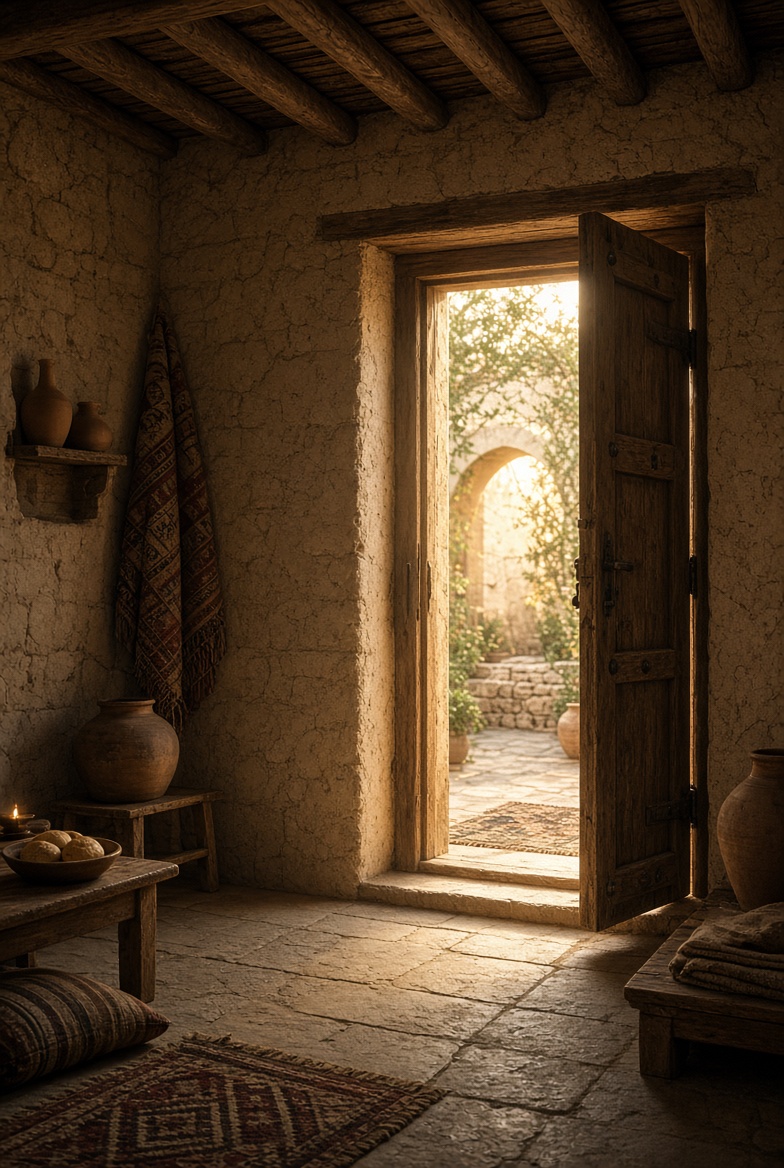 Many people hear Jesus’ words in John 14 and immediately picture large houses waiting in the sky. The English translation “mansions” or “rooms” can make it sound as though Jesus is describing future real estate. The Greek word He used is *monē*. It appears only twice in the entire New Testament, and both times are in this same chapter. It does not primarily mean a large building or a private suite. It means a place of abiding, a dwelling, a staying, a remaining. Jesus was speaking about relationship and presence far more than He was speaking about square footage.
He told His troubled disciples, “In my Father’s house are many *monai*. If it weren’t so, I would have told you. I am going to prepare a place for you” (John 14:2 WEB). The comfort He offered was not mainly about future architecture. It was about the certainty that they would remain with Him. The place He prepares is defined by His presence. Where He is, there the dwelling is. The promise is personal before it is spatial.
This distinction matters. When people reduce John 14:2 to a promise of bigger houses, they miss the deeper consolation Jesus was actually giving. The disciples were anxious because He had just told them He was leaving. Their fear was separation, not small living quarters. Jesus answered the fear of separation by promising a place of permanent remaining with Him. The *monē* is first a relationship that cannot be broken, and only secondarily a location.
“In my Father’s house are many homes. If it weren’t so, I would have told you. I am going to prepare a place for you.” — John 14:2 (WEB)
The Word That Changes Everything
*Monē* comes from the verb *menō*, which means to remain, to stay, to abide, to continue. The noun carries the same sense. When Jesus says He is going to prepare a *monē*, He is preparing a place of remaining with Him. The word is not common. Outside of John 14 it does not appear in the New Testament at all. That rarity should make us pay attention. Jesus chose a word that stresses permanence and presence rather than size or luxury.
He uses the same word again later in the chapter: “If a man loves me, he will keep my word. My Father will love him, and we will come to him and make our *monē* with him” (John 14:23 WEB). The identical term describes both the future place Jesus prepares and the present reality of the Father and the Son making their home in the believer. This is not two unrelated ideas. It is one idea viewed from two angles. The place Jesus prepares is the full experience of the dwelling that He and the Father have already begun to make with those who love Him.
The connection is deliberate. John records both uses so that readers will see the continuity. What begins now by the Spirit will be completed in the age to come. The future *monē* is not a different kind of relationship. It is the same relationship brought to its fullest expression, free from the limitations of a fallen world. The word itself holds the two together.
“If a man loves me, he will keep my word. My Father will love him, and we will come to him and make our home with him.” — John 14:23 (WEB)
Abiding Now, Dwelling Forever
The promise is not only about what happens after death. It is about the life Jesus gives in the present. In the next chapter He says, “Abide in me, and I in you” (John 15:4 WEB). The same root word runs through these chapters. To remain in Him is to live already in the *monē* He has begun to prepare. The place He is preparing is the continuation and completion of the relationship He has already opened.
This is why the comfort of John 14 is not mainly about future buildings. It is about the certainty that those who belong to Him will not be left alone. He goes to prepare a place so that where He is, they may be also. The place is defined by His presence. Where He is, there is the dwelling. Separation was the disciples’ fear. Permanent presence is the answer Jesus gives.
The same pattern appears in John’s first letter. “God is love. Whoever lives in love lives in God, and God in him” (1 John 4:16 WEB). The mutual indwelling that begins now is the same reality that will be fully realized when believers are with Christ. The future hope does not replace the present experience. It fulfills it. The *monē* Jesus prepares is the perfected form of the abiding He already commands and enables.
“Abide in me, and I in you. As the branch can’t bear fruit by itself unless it remains in the vine, so neither can you, unless you remain in me.” — John 15:4 (WEB)
The Place Prepared Is a Person
Jesus does not say “I am going to build houses.” He says “I am going to prepare a place for you… that where I am, you may be also” (John 14:3 WEB). The place is wherever He is. Later He prays that those the Father has given Him would be with Him where He is, to see His glory (John 17:24 WEB). The hope is personal presence, not architectural detail. The location is defined by the Person.
This reading is consistent with the rest of the New Testament. Paul writes that to be absent from the body is to be at home with the Lord (2 Corinthians 5:8 WEB). The home is defined by being with the Lord. Revelation describes the final state as God dwelling with His people, and they being His people (Revelation 21:3 WEB). The emphasis remains on dwelling with God, not on the size of individual residences. The *monē* Jesus prepares is the full realization of that dwelling.
The word itself keeps the focus on remaining. What Jesus prepares is the unhindered experience of the abiding that already begins now. The rooms are not the point. The One who dwells in them is the point. The place is defined by Him. Any description of heaven that loses sight of the presence of Christ has missed what Jesus actually promised.
“Father, I desire that they also whom you have given me be with me where I am, that they may see my glory, which you have given me.” — John 17:24 (WEB)
Why the Translation Matters
 The older English word “mansions” came from the Latin *mansiones*, which carried the sense of dwelling places or stopping places. It did not originally mean large luxurious houses. Over time the English word shifted in meaning, and many readers now hear “mansions” as a promise of wealth and space. That shift has obscured the original force of *monē*. The Greek word points to permanence and presence, not to size or status.
Modern translations that use “rooms,” “dwelling places,” or “homes” are closer to the sense of the Greek. They still risk being heard as real-estate language unless the reader remembers the root idea of remaining. The best way to hear the verse is to keep the connection with John 14:23 and John 15 in view. The same word and the same root describe both the future place and the present mutual indwelling. That connection protects the text from being reduced to a promise of better housing.
Jesus was comforting disciples who feared being left alone. He answered with a promise of permanent remaining with Him. The place He prepares is the place where that remaining is complete. The translation that best serves the text is the one that keeps the idea of abiding and dwelling central, rather than the idea of square footage or luxury.
The Comfort Jesus Actually Gave
The disciples needed assurance that Jesus’ departure was not abandonment. He gave them that assurance by promising a *monē*—a place of remaining with Him. He reinforced the promise by using the same word for the present indwelling of the Father and the Son. He then commanded them to abide in Him, using the verb from which *monē* comes. The whole section holds together around the idea of permanent presence.
That is the comfort that still reaches believers. The hope of heaven is not primarily the hope of a larger house. It is the hope of being with Christ, fully and without interruption. The place He prepares is the place defined by His presence. The same presence that already dwells with those who love Him will one day be experienced without the limitations of a fallen world. The word *monē* keeps both the present and the future in view. It refuses to let the promise be reduced to real estate. It keeps the focus where Jesus placed it: remaining with Him.